by Bayt Student Living
Quick answer: Living off campus gives Lancaster students more choice, more independence, and often better value than staying in university housing. You pick your housemates and your area, you get a real house with year-round tenancy, and a bills-included home keeps the cost to one clear figure. Here are the nine benefits students mention most, plus an honest note on when campus still wins.
Nine real benefits of moving off campus
- Choose your people: you pick the housemates, not an allocation algorithm. After a first year of meeting people, that control matters.
- Choose your area: city-centre buzz, quiet Fairfield, student-dense Moorlands, or Bowerham next to the University of Cumbria campus.
- One clear cost: bills-included homes bundle rent, gas, electricity, water, and broadband into a single monthly figure, so there is no winter energy spike.
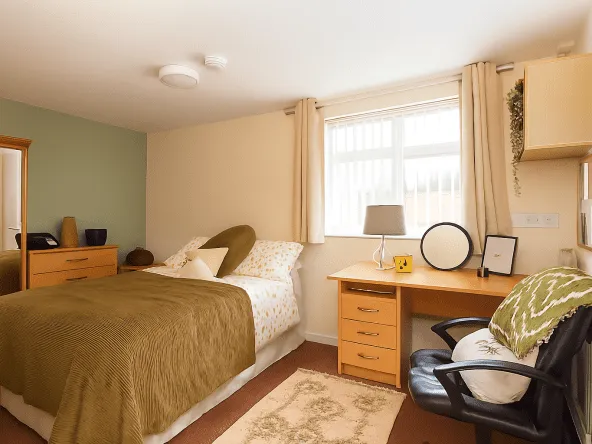
- More space: shared houses give you a real kitchen, a living room everyone fits in, and often a yard or garden.
- Year-round tenancy: your things stay put over summer, and you have somewhere to come back to for resits, placements, or a summer job.
- A real neighbourhood: local shops, neighbours, and a life that is not entirely university-shaped.
- Continuity: keep the same house, and the same landlord relationship, for several years, which makes re-signing simple.
- Independence that employers notice: running a household is quiet proof you can manage bills, deadlines, and shared responsibility.
- Mixed-university households: live with friends from Lancaster University and the University of Cumbria under one roof, something halls cannot offer.
When campus still wins
Fairness matters: college accommodation is a strong choice for first years finding their feet, for very short stays, and for students who want everything handled in one licence fee with zero admin. Lancaster’s college system is genuinely social and a good soft landing in year one. If that is you, take it without guilt; the private market will still be here next year, and most students join it for second year having formed a group.
The trade-offs to go in with eyes open
Off-campus living is not free of responsibility, and it is fairer to say so. You will sign a legal tenancy, usually joint, which means the household shares responsibility for the rent and the property. You will likely need a UK guarantor. You take on a share of keeping the house clean and reporting repairs promptly. None of this is onerous with a well-run landlord, but it is real, and a bills-included tenancy removes the single biggest admin headache by turning utilities into part of one fixed figure.
Making the move off campus smooth
Form your group early, agree a budget as a total monthly figure per person, and view together so nobody inherits the smallest room by accident. Check the protections as you go:
- Deposit protection in a government-approved scheme (Bayt uses the Tenancy Deposit Scheme, TDS).
- HMO licensing where the house is a larger share and the council requires it.
- Accreditation such as Bayt’s Lancaster University Homes approved landlord status and NRLA membership.
- Safety documents — a current gas safety certificate and electrical report you can actually see.
Then browse current Bayt homes or the shared houses guide and book viewings for your shortlist in one trip. If your group runs large, the 5-bedroom house guide is the logical next step.
A realistic first-year-to-second-year timeline
Off-campus living tends to follow a rhythm. Through the first term you meet people in halls, on your course, and in societies; by late autumn a group starts to gel and talk about living together. Winter is when most groups view and sign for the following September, though there is still good choice into spring. The mistake to avoid is signing too fast, in October, with people you have known three weeks, for a house nobody has properly viewed. Give the group time to settle, agree a budget together, and view your shortlist in one trip. Preparation, not panic, is what gets you a good house with people you will still like in June.
Bills included, as standard
All Bayt student properties are bills included: gas, electricity, water, and high-speed broadband arrive as one clear monthly figure, with the exact package confirmed in writing before you sign. Eligible full-time student households can usually claim the council tax exemption on top, so check yours is registered.
Questions students ask
Is it cheaper to live off campus in Lancaster?
Often, especially in larger shared houses where fixed costs are split between more people. Compare the full monthly figure of a bills-included house against the campus licence fee rather than headline numbers.
When do students move off campus?
Most move for second year, having formed groups during first year. Searching typically starts from late autumn for the following September, with the busiest signing window through winter.
Can I live off campus as a first year?
Yes. Most first years choose college rooms, but private housing is open to you if you prefer independence from day one.
Do I need a guarantor to rent off campus?
Usually each tenant provides a UK-based guarantor. Ask the landlord early what is required, and what the options are for international students who may not have one.
What happens to my off-campus house over summer?
Most student tenancies run for a full year, so the house stays yours through summer. That is a benefit if you have a placement, resits, or a summer job in the city, and something to budget for if you go home for the break.
Next step
Shortlist the homes that fit your budget, group size, and routine, then contact Bayt with your questions, or send preferred viewing times by WhatsApp, phone (01524 888 151), or email.