What affordable actually means on a Lancaster rent
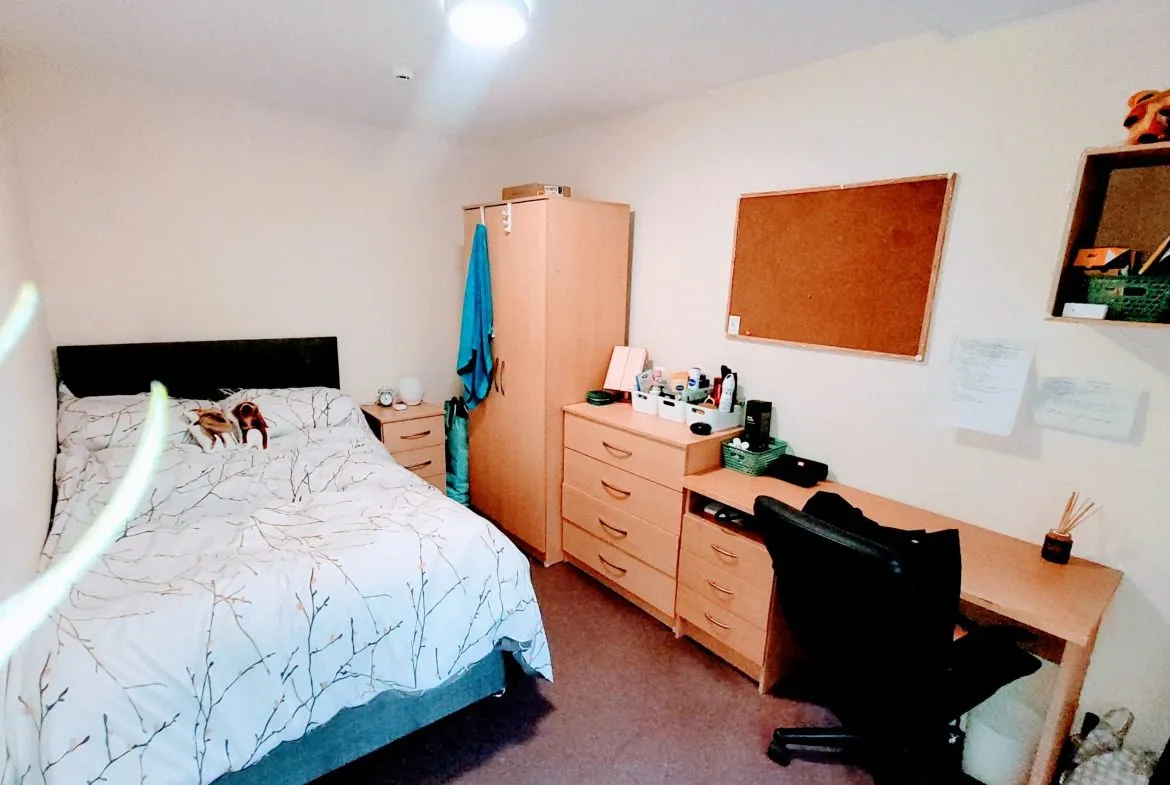
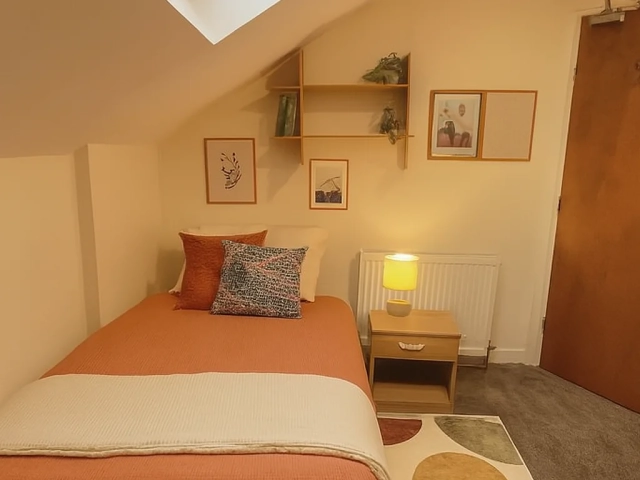
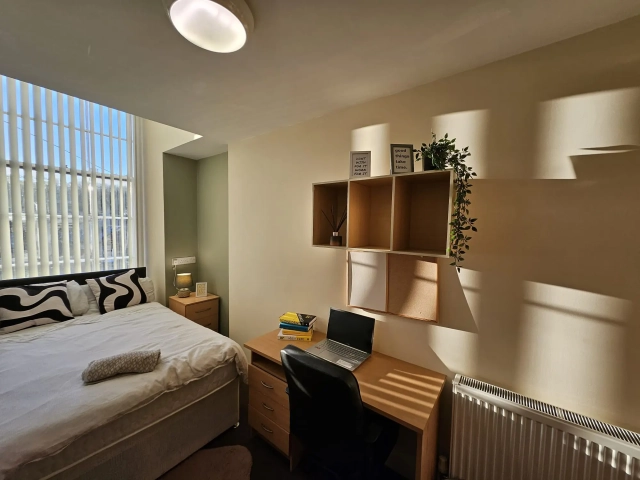
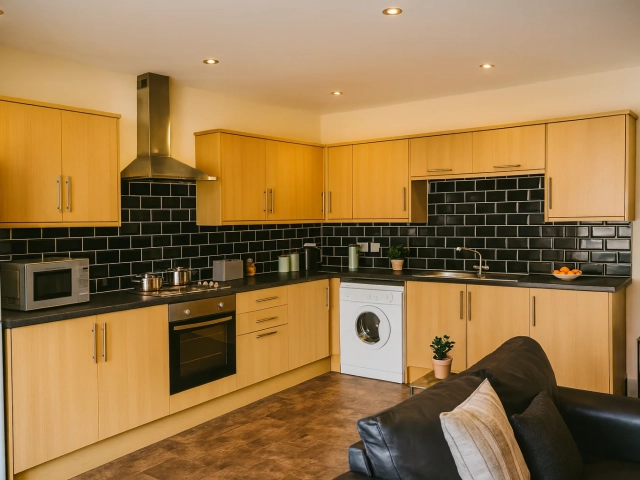
Start with why a shared house is cheap, because the mechanism tells you exactly what to look for. The fixed costs of a household — the broadband line, the standing charges, one boiler, one roof — barely move with the number of people living under it, so every extra housemate shrinks everyone's share of them. That is arithmetic rather than marketing, and it is why the same house can be excellent value at nine people and poor value at four. It shows up plainly in our own range: the nine-bedroom Gregson Road house and the ten-bedroom North Road house are £135 per person per week, while the six-bedroom Queen Street house is £139, all with gas, electricity, water and fibre broadband inside the figure.
The second lever is what the rent includes, and it is the one most budgets get wrong. A £115 room plus gas, electricity, water and broadband is routinely dearer across a year than a £135 room with all of them inside the figure — and the bills-included version cannot spike in January or start an argument about whose share is outstanding. The comparison only works when the included list is written down, so ask any landlord for it in writing along with any fair-use cap. Ours vary by the size and type of the property, and we confirm the package for your specific home in writing before you sign anything.
The third lever is the walk, and Lancaster is compact enough for it to be decisive. A home within walking distance of your campus takes a bus fare out of the weekly budget for the whole tenancy — a saving that arrives every single week rather than once. We publish the walk to the University of Cumbria's Bowerham Road campus on every property page: about 8 minutes from Gregson Road, 12 from Queen Street, 13 from Penny Street. Lancaster University students are choosing a bus corridor instead, and the university reports at least 14 buses an hour between the city and Bailrigg during weekday daytimes in term (Source: Lancaster University), so what matters there is your stop rather than your postcode.
Here is the straight answer rather than a teaser. Our published Lancaster homes for 2026/27 run from £125 to £139 per person per week for a room in a shared house, and £229 per week for the self-contained North Road studio, bills included. The cheapest of them is an individually let room on Queen Street at £125. Those are our own rents rather than a market survey, so use them as one honest data point when you compare — and remember that homes marked under offer are not individually priced. Under offer is not the same as let, so registering interest in one is worth doing rather than skipping.
Two more numbers matter to a tight budget, and both are ours to state plainly. A holding deposit is one week's rent and counts towards what you owe once the tenancy goes ahead; on most of our properties the security deposit is the equivalent of one week's rent, against a legal cap of five weeks. So moving in does not swallow a term's savings, and the deposit is protected in a government-approved scheme with free dispute resolution behind it. Rent is then paid monthly in even amounts, which means nobody needs a term's rent sitting in an account and nobody is ambushed by a large payment in the same week as a deadline.
What this page will not do is call a rent cheap without the year attached. A cold house, a vague bills list or a long bus ride can quietly cost more than the £20 a week the headline saved you — and so can a landlord who takes a fortnight to answer a broken boiler, which is why we answer repair reports within 24 hours and let our Google reviews be the public record of it. The living-cost guide holds the full real-saving-versus-false-economy breakdown, and the short version is built into every section below. If you would rather skip to the useful part, send us your budget ceiling, your group size and your campus, and we will come back with what actually fits.