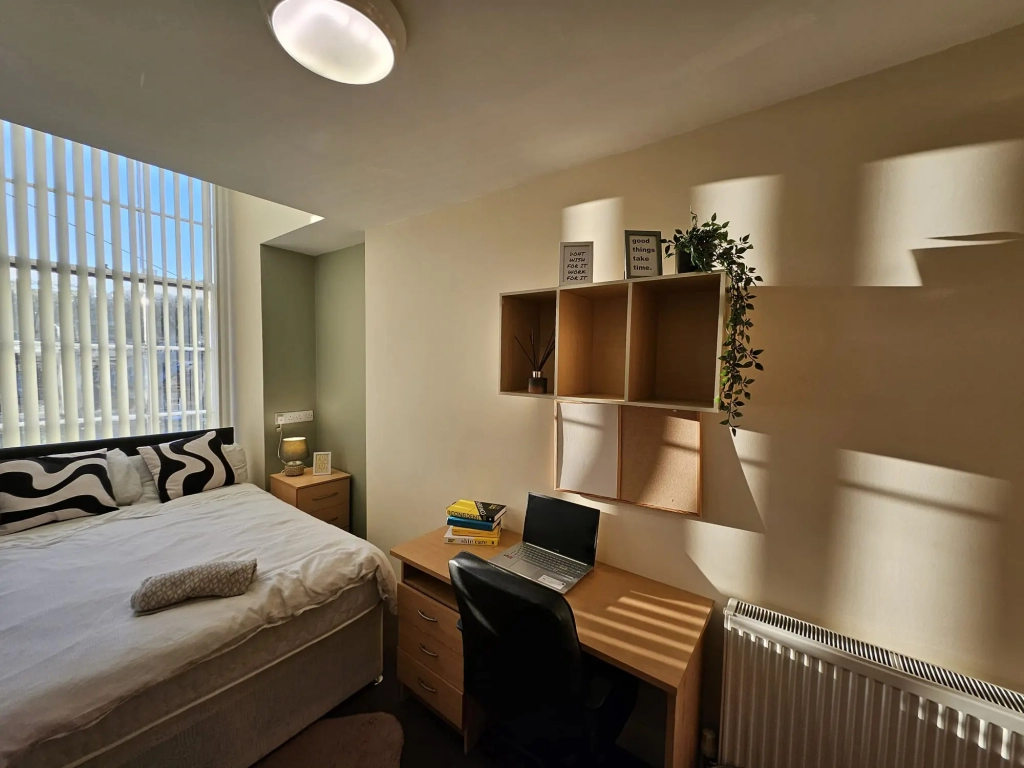
 Available
City Centre
Student room on Queen Street
£125
pppw
Your shortlist
Available to view
Register interest
Nothing saved yet. Tap the heart on any home and it lands here.
Start with the exact housing offer. Then add food, travel, your phone and the things you actually do. A useful budget looks like your real week, not an ideal one.

Two parts make a student budget: costs set by the housing offer, and costs shaped by your own routine. Keep them separate while you work. The first part starts with the weekly rent, tenancy length, deposit and payment schedule. The second needs a realistic allowance for food, travel, course materials, personal subscriptions and time with friends. Do not use a general student average as a substitute for the housing price you can actually confirm.
Available
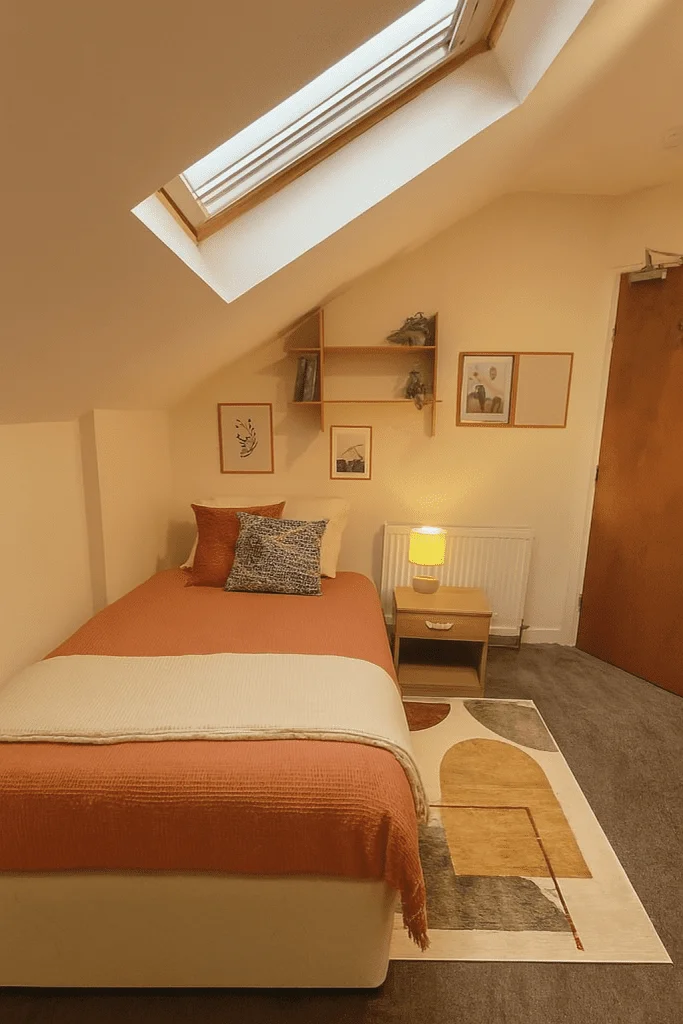 Available
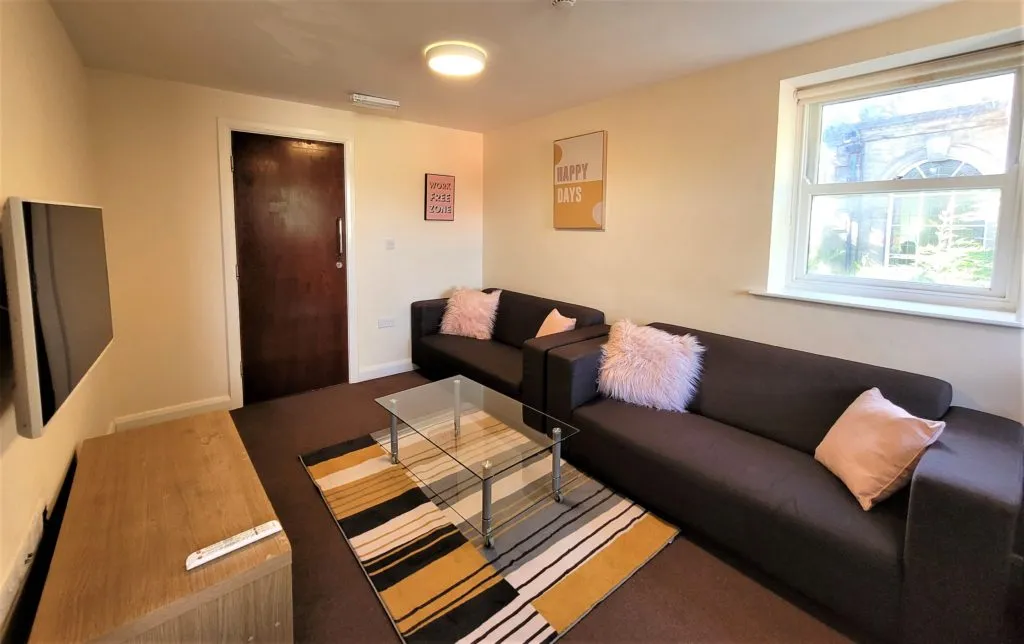 Register interest
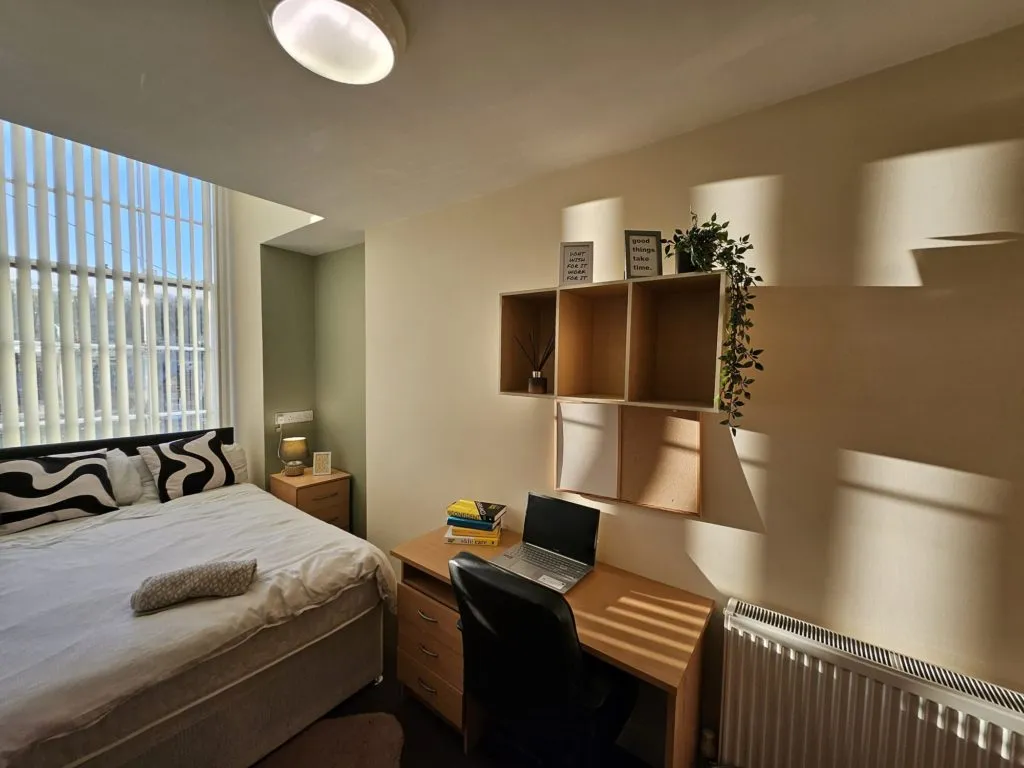 Register interest
 Register interest
 Register interest
 Register interest
 Register interest
 Register interest
 Register interest
 Register interest
 Register interest
Register interest
Register interest
Register interest
Register interest
 Register interest
Weekly rent helps compare advertised homes, but the tenancy total shows the commitment. Multiply the exact weekly rate by the actual number of contracted weeks. For a per-person rate, that gives one person’s housing total; a whole-home rate describes the home instead. Keep those bases separate. Two weekly prices are not directly comparable if one is per person and the other is for a self-contained home.
Monthly cash flow is a different calculation. Use the payment dates and amounts supplied for your tenancy rather than multiplying a weekly price by four. Put incoming funds beside those dates so you can see any gap in timing. A budget can balance over the year and still be awkward in a particular month. Planning that gap is more helpful than making the annual total look tidy.
Bills and free laundry are included in every Bayt student home. Food, your mobile contract, personal subscriptions and transport still need their own lines. Use what you actually buy and the journeys you expect to make. If a course needs equipment or travel, include that too. A food budget based on cooking every meal from scratch is not useful if it bears no resemblance to your usual week.
Keep a little breathing room for irregular spending where you can: a journey home, replacing something that breaks, or a move-in item you forgot. Do not label all that spending “unexpected” and leave it out entirely. If the numbers do not fit, change a real decision such as the housing format or a subscription. The goal is not to produce an impressive spreadsheet; it is to choose a home you can live in without the same money worry repeating each month.
Not to calculate a calendar-month payment. Use the payment schedule for the actual tenancy. For the tenancy total, multiply the exact weekly rate by the contracted weeks.
Laundry is free in every Bayt student home. You do not need a separate per-wash allowance for the supplied laundry facilities.
Ask for the specific rent, dates, payment schedule, deposits and written bills package, including fair-use terms. Those are the housing figures around which you can plan the rest.
See what is available, then book a viewing with a person who knows the house.