 Available
City Centre
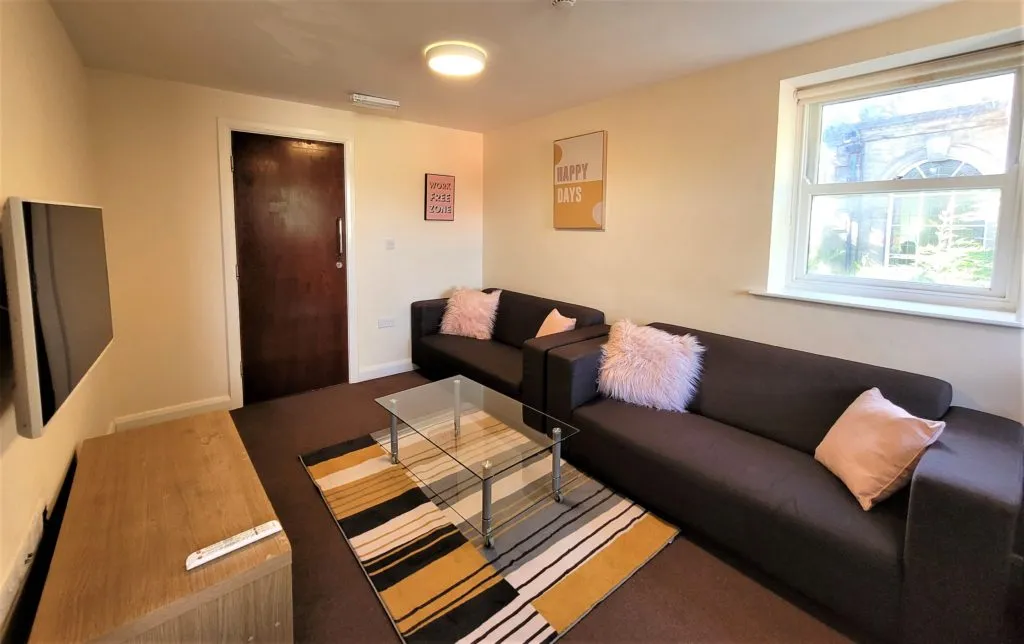
10-bed student house on North Road
£135
pppw
Your shortlist
Available to view
Register interest
Nothing saved yet. Tap the heart on any home and it lands here.
Big groups are the hardest thing to house in any student city, and they are the thing we have most of. Our Lancaster homes run from six bedrooms up to twenty, and every one is let bills included.

Finding one house for seven, nine or twelve people is the part of the year that breaks group chats. Listings thin out above six bedrooms because most landlords do not own buildings that size, and purpose-built blocks cannot hand a whole house to one group at all. Lancaster is unusually good for this, because the city centre is full of large Victorian and Edwardian buildings that were never divided into flats. What changes above six people is not the price, it is the logistics: the bathroom ratio, who coordinates the group, and what a joint tenancy means when there are eleven of you on it.
Available
 Available
 Available
 Available
 Available
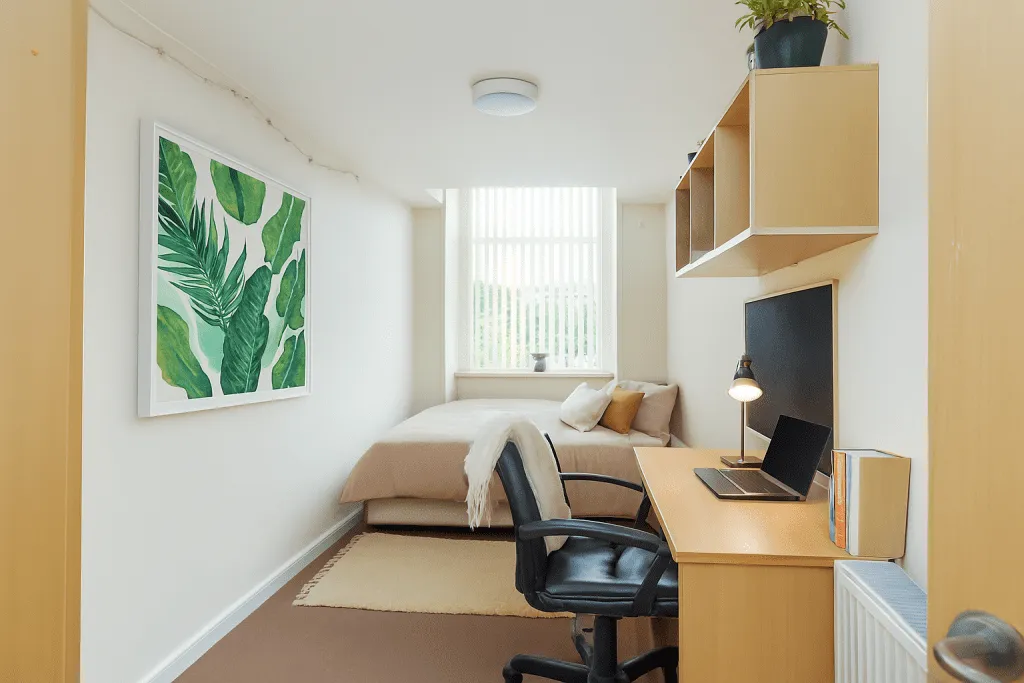 Available
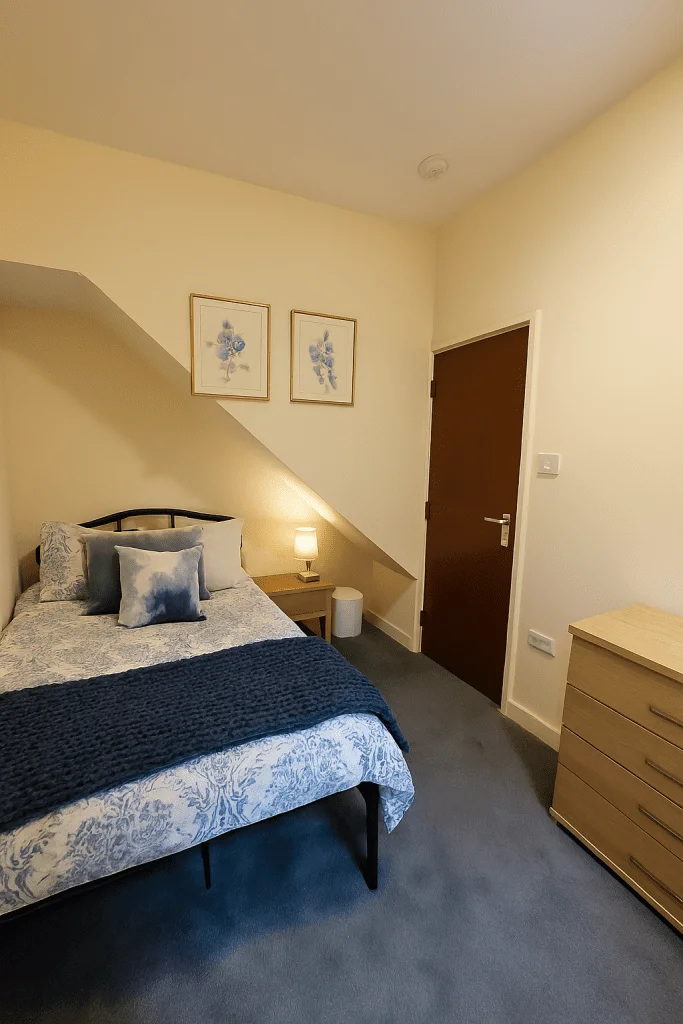 Available
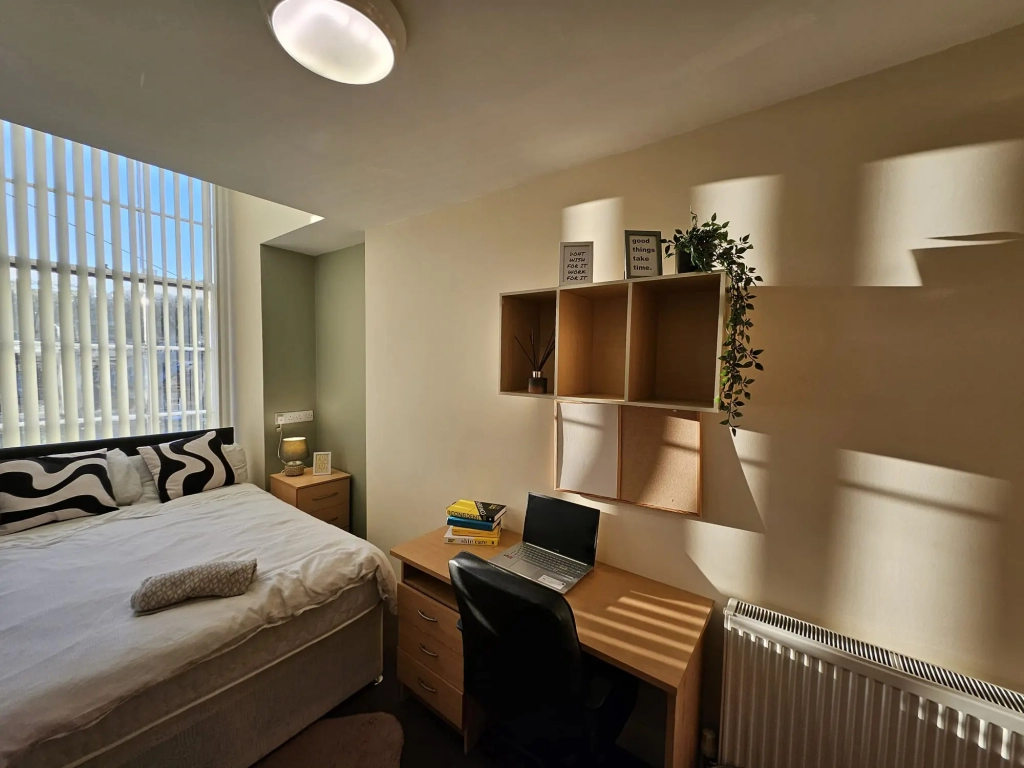 Available
Ask any group that has lived in a big house what they would check differently next time and the answer is showers. We publish the bathroom count on every property page, so the raw ratio is easy to read. What actually matters is whether the hot water keeps up when four people shower in the same forty minutes, which is a question about the boiler and the cylinder rather than the number of doors.
Ask three things on the viewing: how many of the bathrooms have a shower rather than only a bath, how the hot water is heated and whether it is a stored or instantaneous system, and whether any bathroom is effectively private to one bedroom. The third question changes the real ratio more than people expect, and it is also the one that decides whether rooms should be priced differently.
Groups of eight or more often end up choosing between one big house and two nearby smaller ones, and they are genuinely different years rather than different floorplans. One house usually costs less per person, because the fixed household costs split further; it means one bills-included figure, one set of questions and one renewal conversation; and nobody has to organise the social life, because everyone is already in the building.
Two homes have one real advantage: if somebody drops out, the consequences are contained to one house rather than shared across the whole household. They are also quieter by default, easier to find, and harder to find close together. Put both versions of the year side by side before the group votes, because the cheaper option is not automatically the one everyone will enjoy.
Above six people a house stops running itself. The groups that enjoy the year set a few things at the start rather than negotiating them in February: a cleaning rota for the shared spaces, a kitty for the staples nobody wants to keep buying, an agreement on guests and quiet hours during exams, and a rule that maintenance is reported as a house rather than everyone assuming someone else has done it. Reported repairs are answered within 24 hours, which is a response commitment rather than a promise that every repair is completed in that time.
The tenancy point matters more at this size too. Most large student houses are let on a joint tenancy, which means the household shares responsibility for the whole rent — a larger exposure with eleven housemates than with four. Agree in advance what the group would do if someone wanted out, and raise it with us as soon as it happens rather than after a payment is missed. Nominate a lead tenant early: one named contact who coordinates the viewing and asks the tenancy questions is the single change that most improves a large group’s chances.
Our Lancaster homes run up to a twenty-bedroom property on Queen Street let in a halls format, with twelve and fourteen-bedroom houses on the same street. Availability at that size changes cycle to cycle, so ask us with your group number and academic year.
Usually yes, because the costs that do not scale with household size — the broadband line, standing charges, communal heating, one boiler and one roof — split across more people. Compare each home’s own current rate rather than assuming the saving.
Yes, and you should. Send the group size, the academic year and everyone’s availability through one nominated lead tenant, and we can arrange one viewing for the whole household rather than running the same tour eight times.
Earlier than a group of four, simply because there are only so many houses of this size in Lancaster. Viewings for the following September pick up from November, so confirm your exact number through the autumn and enquire as soon as it is settled.
See what is available, then book a viewing with a person who knows the house.