Start with the contract, not the advert
Write down the weekly rent per person, the number of weeks, the deposit, the payment dates and every service stated as included. That one line of the budget does more work than any estimate.
Bayt student guide
A budget that holds up starts with the whole cost of your year, not the rent line on a listing. This guide separates what your tenancy fixes from what your habits decide, using official figures and our own published weekly rents for 2026/27.
Quick answer
Lancaster University points students at a UK-wide average of £1,142 a month including accommodation. Our published rooms for 2026/27 are £125 to £139 per person per week bills included, so gas, electricity, water and broadband sit inside that figure.
Write down the weekly rent per person, the number of weeks, the deposit, the payment dates and every service stated as included. That one line of the budget does more work than any estimate.
Convert every option to one figure: cost per person per week with utilities and broadband inside it, then add travel. A £110 room with bills excluded is rarely cheaper than a £125 room with them included.
Map termly student-finance payments against your outgoings. Our rent is paid monthly in even amounts, so the housing line never spikes and the maths stays the same all year.
A household where everyone is a qualifying full-time student is generally exempt, but the exemption is not always automatic. Somebody in the house has to send the proof of studies.
Allow for move-in items, travel home and replacements. If the numbers do not balance, your university money team would far rather hear from you in October than in February.
Two numbers decide whether a Lancaster year feels comfortable or tight. The first is fixed by your tenancy: the weekly rent, the number of weeks you are contracted for, and which bills sit inside that rent. The second is set by you: food, travel, your phone, course materials and everything you actually enjoy. Build the fixed half from the agreement, then give the flexible half a weekly allowance you would recognise as realistic rather than aspirational.
For a planning figure, Lancaster University points students to a UK-wide average of £1,142 per month including accommodation, while stressing that actual needs vary. Treat it as a reference point rather than a promise about Lancaster, because it carries an accommodation cost that may be nothing like yours. The first line to replace with a real number is the rent, and that is the one line you can pin down today.
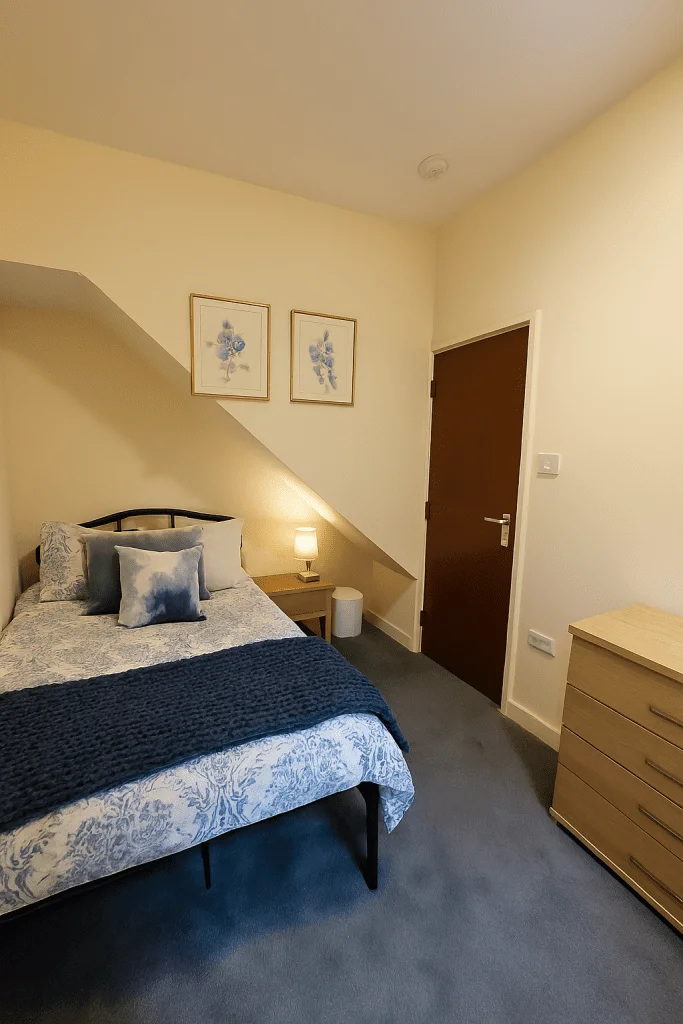
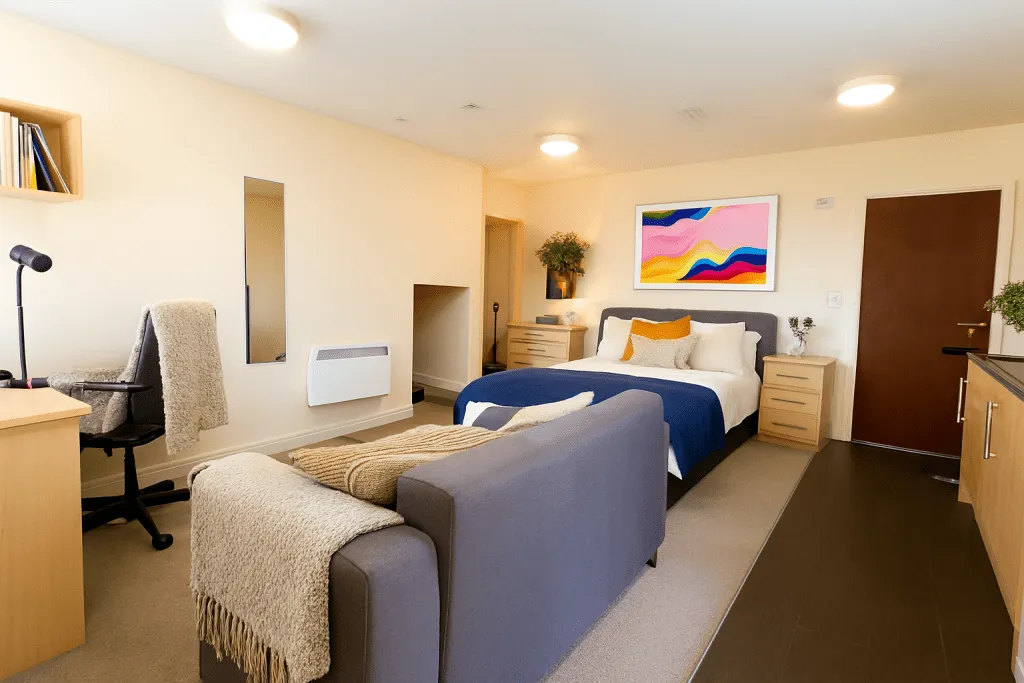
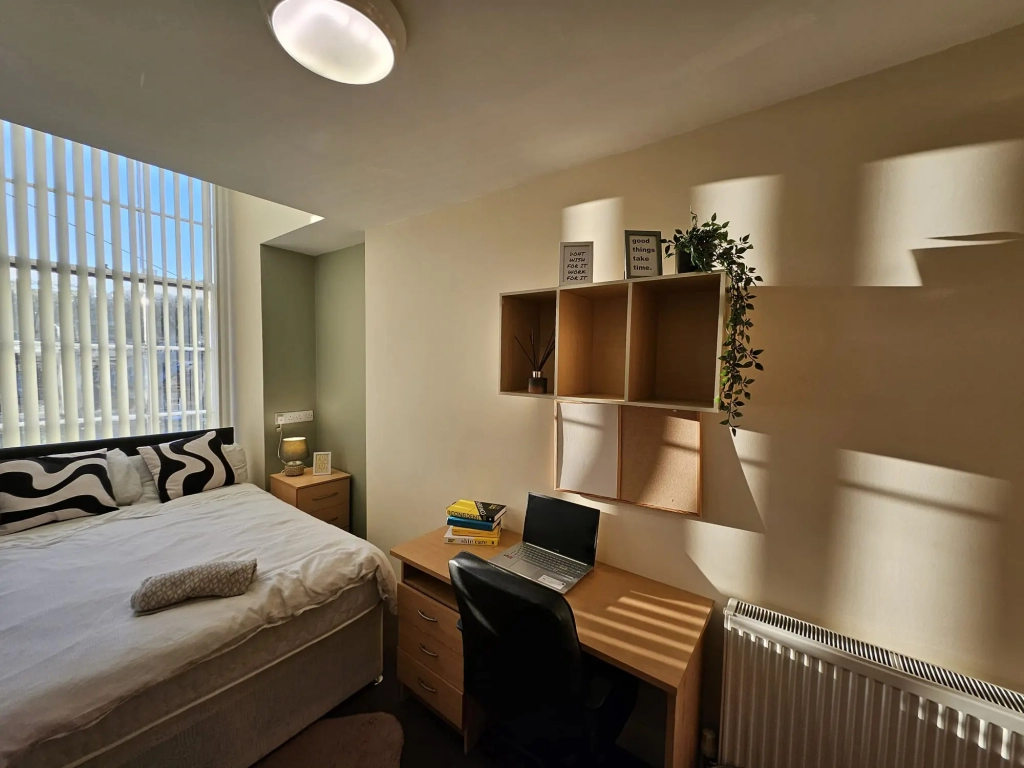
As our own reference point, our published Lancaster student homes for 2026/27 are priced from £125 to £139 per person per week for a room in a shared house, and £229 per week for the self-contained North Road studio, bills included. Homes marked under offer are not priced individually — ask us and we will give you the weekly figure. Always confirm the current rent for the specific property before budgeting against it.
Every home we let is bills included, and the package covers gas, electricity, water and high-speed fibre broadband or Wi-Fi, with TV licence support and laundry access at the properties that provide them. Fair-use caps exist and vary with the size and type of property, so we confirm the package for your specific home in writing before you sign. Personal subscriptions, mobile contracts, transport, food and course costs sit outside any household package and need lines of their own.
The last thing to plan is timing rather than totals. Rent with us is paid monthly in even amounts, which makes the housing line the same figure every month instead of a termly spike, but the deposit and often the first payment land before student finance arrives — plan that gap rather than being caught by it. If you want the real numbers for a specific home, ask us for the weekly rent, the number of weeks and the written bills list, and you can build the whole budget in one sitting.
Use real quotes wherever you can get them. Convert every cost to the same weekly or monthly period, and do not count a bill as included unless it is written into the tenancy offer or the agreement itself.
| Category | What to record | What to check |
|---|---|---|
| Housing | Rent per person per week, deposit and tenancy length | Payment dates, deposit protection and whether the summer is included |
| Household bills | Gas, electricity, water, broadband and TV licence | Which services are included, in writing, and any fair-use terms |
| Everyday living | Food, toiletries, laundry and phone | A realistic weekly amount based on how you actually shop and cook |
| Travel | Bus, rail, cycling and trips home | Pass prices, evening frequency and travel outside term |
| Study and personal | Materials, societies and social spending | Course-specific kit and the irregular costs nobody plans for |
| One-off and move-in | Deposit, bedding, kitchen kit and the journey up | What is refundable, what is already provided, and when each falls due |
For 2026/27, GOV.UK lists maintenance-loan amounts for students living away from home outside London from £5,048 to £10,830 in its standard example, depending on household income and circumstances. Eligibility varies, so use the official calculator rather than assuming the maximum.
A loan is an income, not a budget. Set your confirmed funding against the full number of weeks you are contracted for, not the number of weeks you are taught, because a 48 to 50-week tenancy keeps running through the vacations. If the two numbers do not meet, look at bursaries, scholarships, part-time hours and hardship support before you commit to a property rather than after.
It is worth doing this arithmetic with whoever is signing as your guarantor, because they are being asked to stand behind the same figure. Bring them the weekly rent, the number of weeks and the written bills list, and the conversation takes ten minutes instead of a fortnight.
Our published Lancaster student homes for 2026/27 are priced from £125 to £139 per person per week for a room in a shared house, and £229 per week for the self-contained studio on North Road, all bills included. Those figures come from our own property records and cover the six published listings carrying an individual price — five room rates priced per person and the studio priced per week; the other eight published listings are marked under offer and are not priced individually. Confirm the current weekly figure for a specific property before budgeting against it.
Bills included means gas, electricity, water and high-speed fibre broadband or Wi-Fi, plus TV licence support and laundry access at the properties that provide them. Fair-use caps exist and vary by property size and type, and the exact package for your home is confirmed in writing before you sign — so the number you compare is the number you pay, with no January meter reading to argue about.
That is why the comparison has to be done in one unit. Convert every option to a per-person-per-week total that includes utilities and broadband, multiply by the weeks on the agreement, then add travel. A £110 room with bills excluded is rarely cheaper than a £125 room with bills included once a Lancaster winter is on the meter, and it is never more predictable.
Two more things move the annual figure more than most students expect. Tenancies with us typically run 48 to 50 weeks with the summer included and no separate summer retainer, so the house stays fully yours over the holidays at the same rent instead of being packed up and paid for twice. And the studio price is a whole-unit weekly rate for one occupant, not a per-person figure — if you are a couple, ask us about one-bedroom options instead of dividing £229 by two.
| Home type | Published weekly rent | Basis | What the rent includes |
|---|---|---|---|
| Room in a shared student house | £125 to £139 | Per person per week | Gas, electricity, water and fibre broadband, with TV licence support and laundry access where provided. |
| Self-contained studio (North Road) | £229 | Per week for the studio, single occupancy | Gas, electricity, water and fibre broadband, with TV licence support and laundry access where provided. |
| Homes marked under offer | Not individually priced | Register interest | Ask us for the weekly figure and the written bills package before you commit. |
Three things set most Lancaster student rents. Area comes first: the central streets and the corridor towards the Bailrigg campus carry a premium over the outer terraces. Property type comes second: a studio's privacy costs more per person than a room in a nine-bed, because the fixed costs of a household do not shrink much when the household does. Specification comes third: recently maintained homes with decent bathrooms and fast broadband sit above tired stock.
None of that is mysterious, and that is the point. It means you can trade deliberately — give up a little location for a better house, or a little space for a better area — rather than paying more by accident. Decide before you view which of the three you are willing to move on, and the shortlist writes itself.
| Change | Effect on the weekly total | Why |
|---|---|---|
| Sharing in a larger house | Real saving. | Broadband, standing charges and communal heating barely change with household size, so they split further. |
| Choosing walking distance over bus distance | Real saving. | A daily fare is a fixed weekly cost that never appears in the advertised rent. |
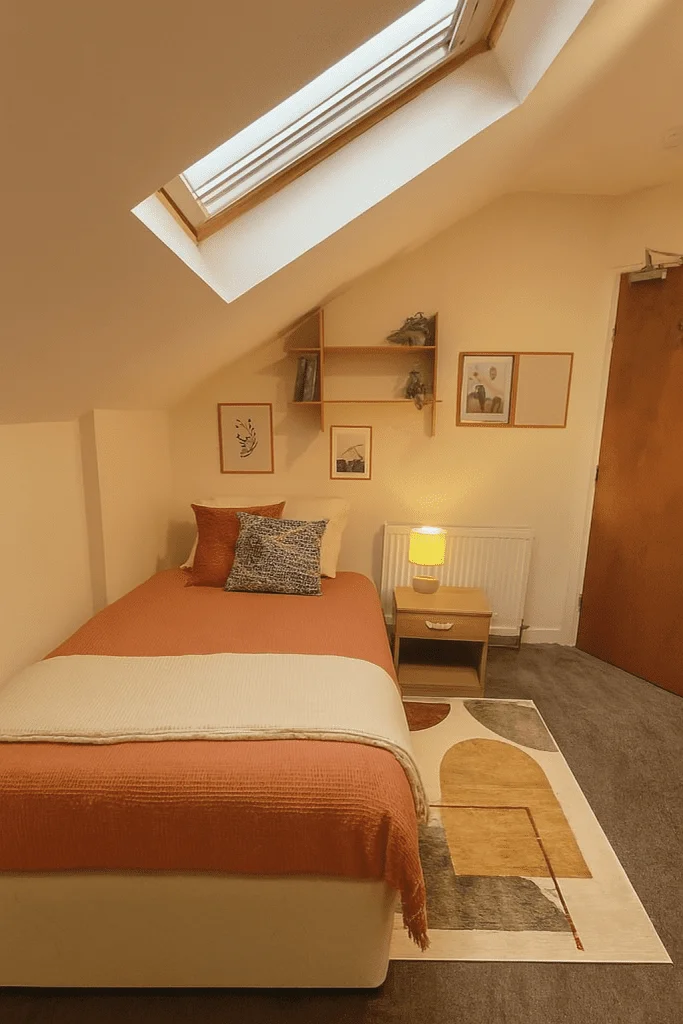
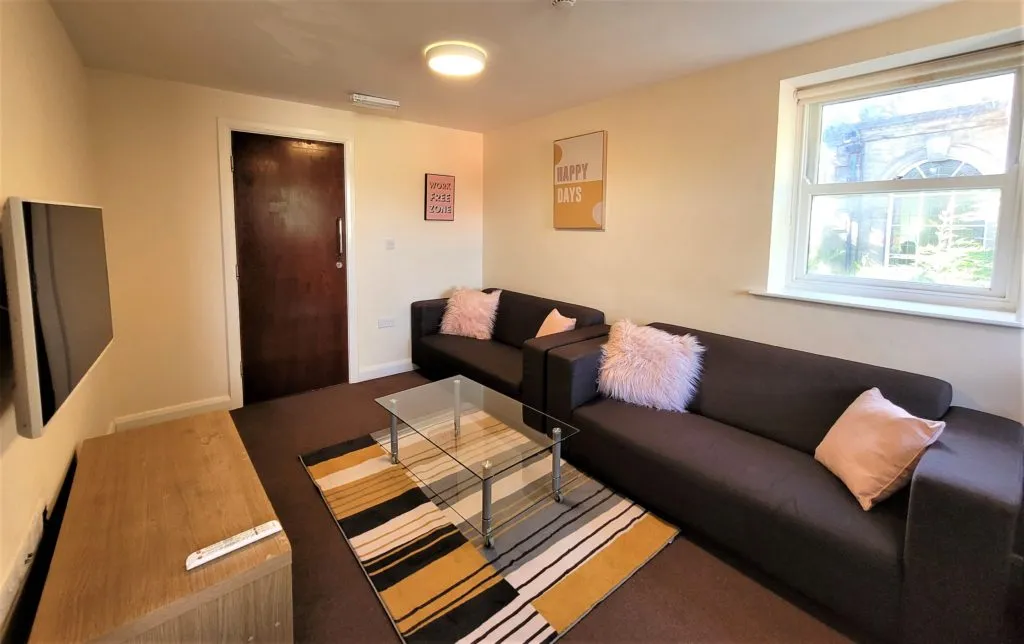
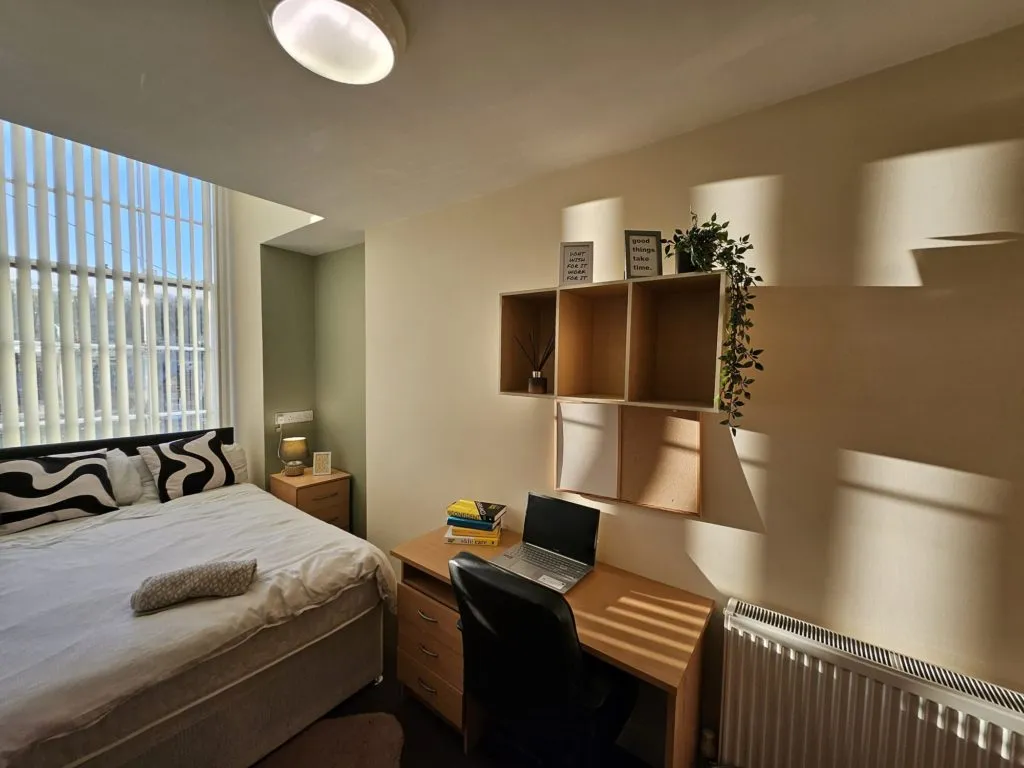
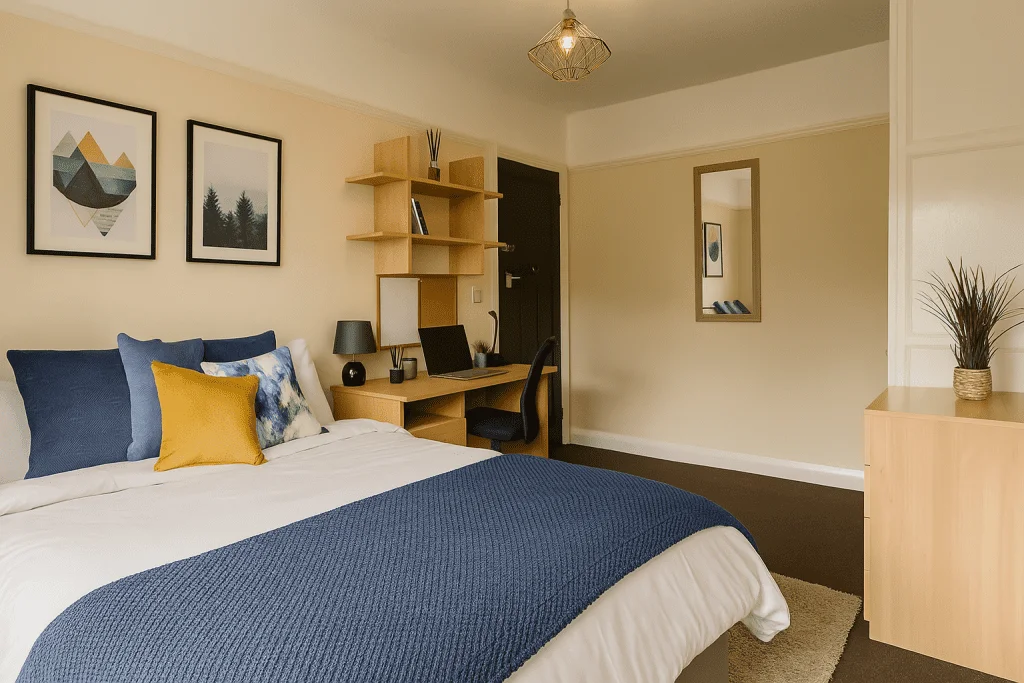
| Taking a furnished home | Real saving. | No van hire, no buying a bed and desk in freshers' week, nothing to store or sell in June. |
| Taking a bills-included let | Real saving in most winters. | The weekly figure is fixed and comparable, and nobody in the house is chasing five people for a gas bill in February. |
| Accepting a damp or cold house to save a few pounds | False economy. | Higher heating, damaged belongings and a year of hassle cost more than the difference. |
| Signing in a panic for a small early-bird discount | False economy. | The right house for your group often lets a month later at a similar figure. |
Most students budget the year and forget the fortnight before it. With us the up-front position is deliberately small: a holding deposit of one week's rent to reserve the property, and on most properties a security deposit of about one week's rent — well under the five-week legal cap — with the rest of the money arriving as ordinary monthly rent. Ask any landlord for both figures in weeks rather than pounds, because that is the only way to compare them.
Your deposit is protected in a government-approved scheme, and the scheme provides free dispute resolution at the end of the tenancy if you and the landlord disagree about a deduction. What decides that dispute is the inventory, so photograph every room on the day you move in and keep the file. Administration, referencing, credit-check and renewal fees are prohibited payments in England — if you are asked for one, it tells you something about everything else.
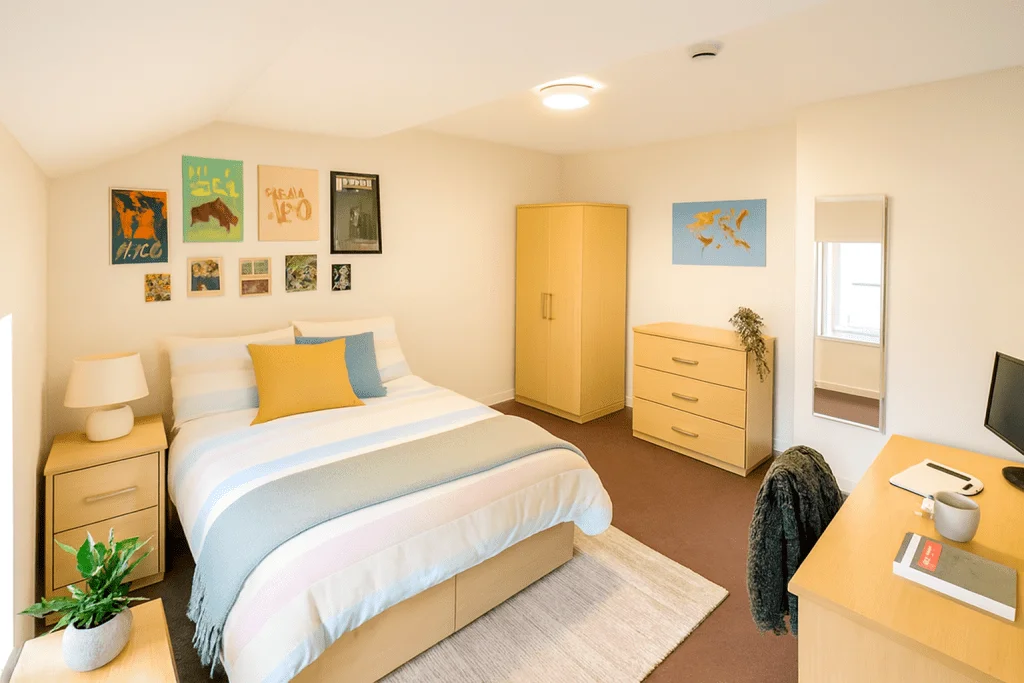
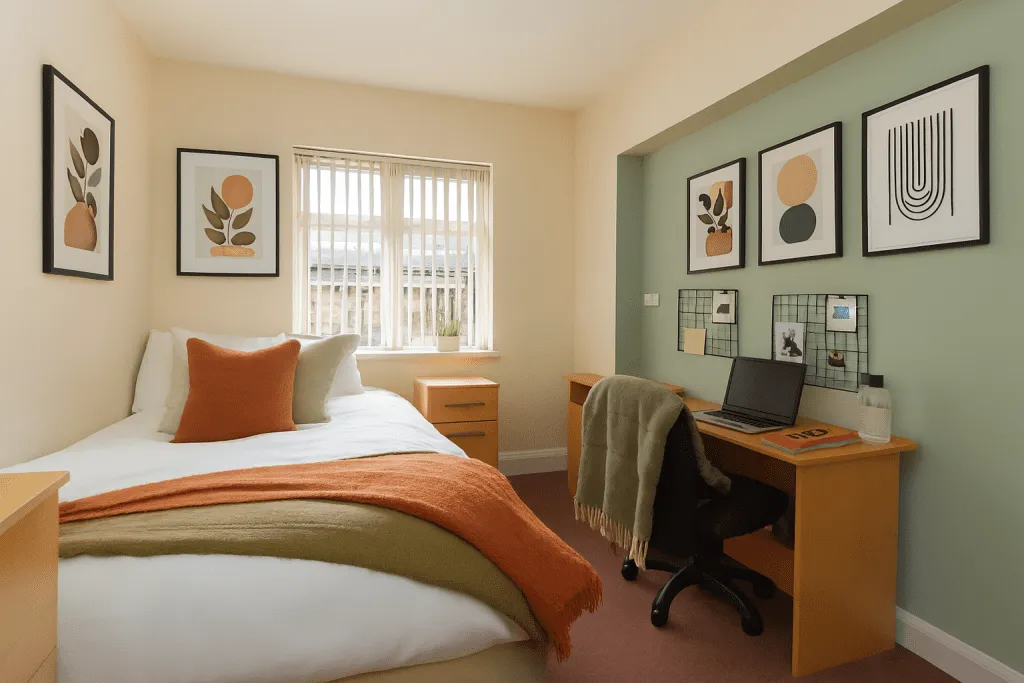
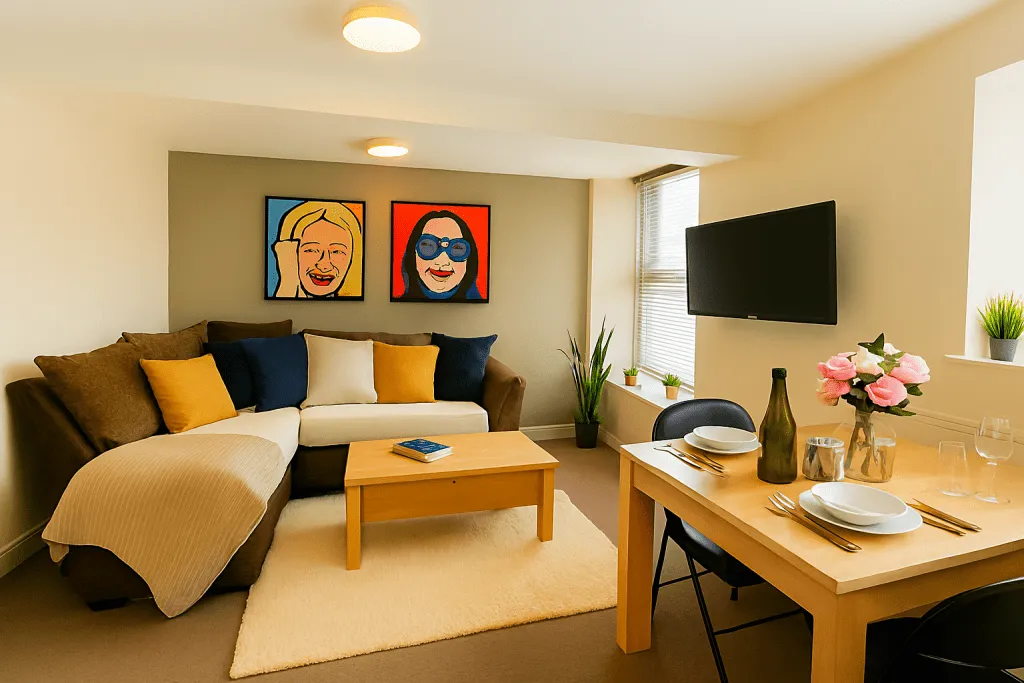
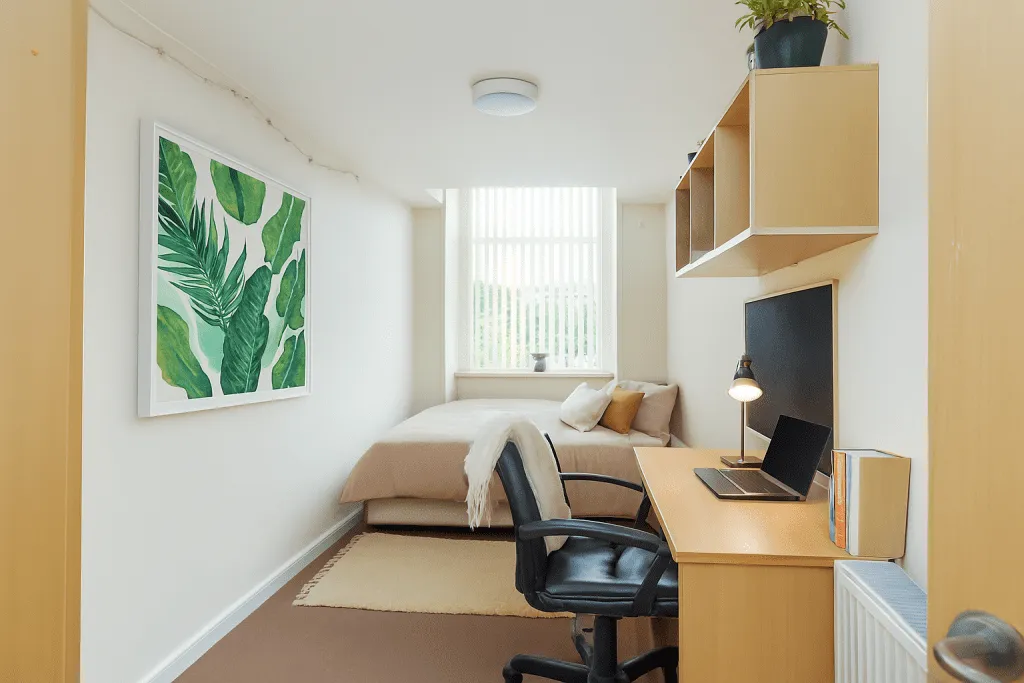
Then there is the practical list: bedding, kitchen basics, a printer or not, and the journey up with everything you own. Our homes are furnished, which takes the largest item off that list, but budget a one-off figure for the rest and for the trip home at Christmas rather than pretending they belong to a different year.
Affordability is often a cash-flow problem rather than a price problem. The deposit and frequently the first rent payment fall due before student finance arrives, so plan for that gap deliberately. Paying rent monthly in even amounts helps here, because the housing line is identical in December and in June and never lands as one intimidating termly figure.
Keep a small buffer for the winter months. In a bills-excluded house that is when the heating bill arrives and the arguments start; in a bills-included house the weekly figure does not move, which is worth more in February than it looks in July.
If you plan to work part-time, line the hours up against your actual timetable rather than committing in a panic in week one. Steady planning across the whole year usually saves more, and stresses less, than chasing the lowest possible headline rent in the first week of the search.
GOV.UK states that households where everyone is a full-time student do not have to pay Council Tax. For this purpose a full-time course must last at least one year and involve at least 21 hours of study a week; for under-20s studying up to A level it must last at least three months and involve at least 12 hours a week. The exemption is not always automatic — if a bill arrives you apply for it. A household that includes a non-student will be billed, though a discount may still apply. Source: GOV.UK.
Take the weekly rent per person, multiply by the number of weeks on the agreement, add your travel, food and course lines, and you have a figure you can set against your funding. Do that for three properties and the decision usually makes itself. If you want the housing half of it filled in properly for a specific home, tell us which one and we will send the weekly rent, the tenancy length and the written bills package in one reply — that is the part of the budget you should never have to estimate.
Short answers to the checks students usually make around bills, deposits, viewings, campus routes, and support.
There is no single safe figure, but there are real anchors. Lancaster University points students to a UK-wide average of £1,142 a month including accommodation, while stressing that actual needs vary. Against that, our published rooms are £125 to £139 per person per week bills included, and the North Road studio £229 per week. Build your own total from the tenancy first — weekly rent multiplied by the number of weeks you are contracted for — then add food, travel and course costs, and check your funding with the official student finance calculator rather than a rule of thumb.
With us it covers gas, electricity, water and high-speed fibre broadband or Wi-Fi, with TV licence support and laundry access where the property provides them. Fair-use caps exist and vary by property size and type, and the package for your specific home is confirmed in writing before you sign. Everything personal sits outside it: food, mobile contract, transport, course materials, societies and subscriptions. Those add more to a student year than the gap between two comparable rents, so give them their own lines.
Rarely, once a Lancaster winter is on the meter. Convert every option to a per-person-per-week total that includes utilities and broadband, multiply by the weeks on the agreement, then add travel, before you compare. Comparing an advertised rent against a bills-included rent is the most common budgeting mistake students make, and it is the easiest one to avoid.
With us it is a holding deposit of one week's rent to reserve the property, and on most properties a security deposit of about one week's rent — well under the five-week legal cap. Your deposit is protected in a government-approved scheme, and the scheme offers free dispute resolution at the end of the tenancy. There are no administration, referencing or renewal fees, because those are prohibited payments in England.
Monthly, in even amounts. That keeps the housing line identical every month rather than arriving as three large termly figures, which makes the budget far easier to hold. The exact payment dates are set out in the tenancy agreement before you sign, so you can line them up against your student finance instalments.
Our tenancies typically run 48 to 50 weeks with the summer included and no separate summer retainer, so the house stays fully yours over the holidays at the same rent. When you compare two properties, compare the number of weeks as carefully as the weekly figure — a shorter contract at a higher rate can cost more overall, and it leaves your things somewhere else in July.
Households where everyone is a qualifying full-time student are generally exempt, but the exemption is not always automatic and an application may be required. Mixed households that include a non-student will be billed, though a discount may apply. Agree early in the tenancy who in the house is sending the proof of studies.
A room in a larger bills-included shared house within walking distance of your campus almost always wins on total weekly cost, because the fixed household costs split across more people and there is no daily fare. The saving stops being a saving if the house fails on damp, heating or management, so check the fabric and the repair route before you sign.
The deposit and often the first rent payment fall due before student finance arrives, which is a cash-flow problem rather than a price problem. Plan for that gap deliberately, keep a buffer for one-off move-in costs and travel home, and if the numbers do not balance, speak to your university money team early rather than in February.
Send the property, page, or question you are looking at and the team will help with availability, viewings, repairs, or next steps.
Pick a property, date and time — Bayt will confirm by email or WhatsApp.