Built for groups of three to seven
Shared houses with communal kitchens and living space, let to a pre-formed group on one joint tenancy so everybody is on the same agreement and the same rent date.
Bayt Student Accommodation
Shared student houses in Lancaster for groups of three to seven, from £125 to £139 per person per week with gas, electricity, water and fibre broadband inside the figure and one tenancy for the group to sign. Our houses sit on the city-centre streets, on Gregson Road on the Moorlands side of town and on Meadow Street in Fairfield, with a Lancaster team you can actually get hold of.
Quick answer
A group of three to seven students takes one house on one joint tenancy, and rooms in our Lancaster houses run £125 to £139 per person per week with every bill included. If your group is not complete, we let single rooms in established households too.
Shared houses with communal kitchens and living space, let to a pre-formed group on one joint tenancy so everybody is on the same agreement and the same rent date.
Our published rooms for 2026/27 run £125 to £139 per person per week with gas, electricity, water and fibre broadband inside the figure. Priced weekly, paid monthly.
Queen Street, North Road, King Street and Penny Street in the centre, Gregson Road towards Moorlands and Meadow Street in Fairfield — all walkable to shops, parks and frequent buses.
Report routine issues through a repair ticket and call 01524 888 151 when something is urgent. A Lancaster-based team triages and arranges the fix.
We let individual rooms in established households alongside whole houses, so four friends are not stuck waiting to find two more people before they can secure anything.
Listings are filtered where matching property data is available. If nothing suitable is currently live, send Bayt your group size and target move-in year.
Lancaster
Lancaster
Lancaster
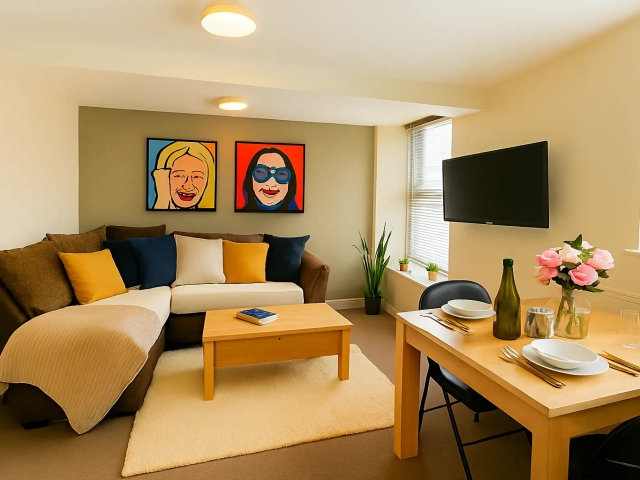
Lancaster
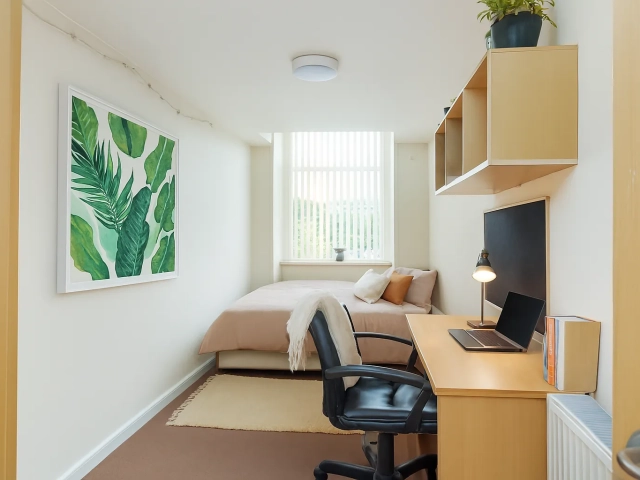
Lancaster
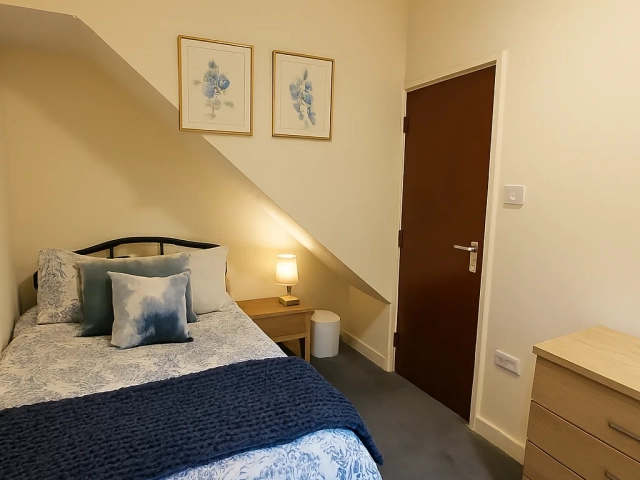
Lancaster
Looking for a house to share with friends? That is exactly what these homes are kept for: a comfortable, sociable base for the academic year without halls rules, on streets students actually want to live on. For 2026/27 our published rooms run from £125 to £139 per person per week, bills included. Rent is priced by the week and paid monthly, so the year arrives as twelve even payments rather than three termly lumps you have to save up for.
Our shared houses sit on Queen Street, North Road, King Street and Penny Street in the city centre, on Gregson Road between the centre and Moorlands, and on Meadow Street in Fairfield. Those streets put shops, takeaways, parks and bus stops within easy reach, and Gregson Road is an eight-minute walk from the University of Cumbria campus. Bailrigg is about three miles out, on a corridor Lancaster University says runs at least 14 buses an hour during weekday daytimes in term (Source: Lancaster University) — so a city house is a real option for Lancaster University students, not a compromise.
The number that decides a group house is the total per person per week with the utilities already inside it. A room advertised at £110 with bills excluded is rarely cheaper than a £125 room with everything included once a Lancaster winter is on the meter, and the gap does not show up until January. Every home we let is bills included, and we confirm exactly what the package covers for that specific house in writing before anyone signs.
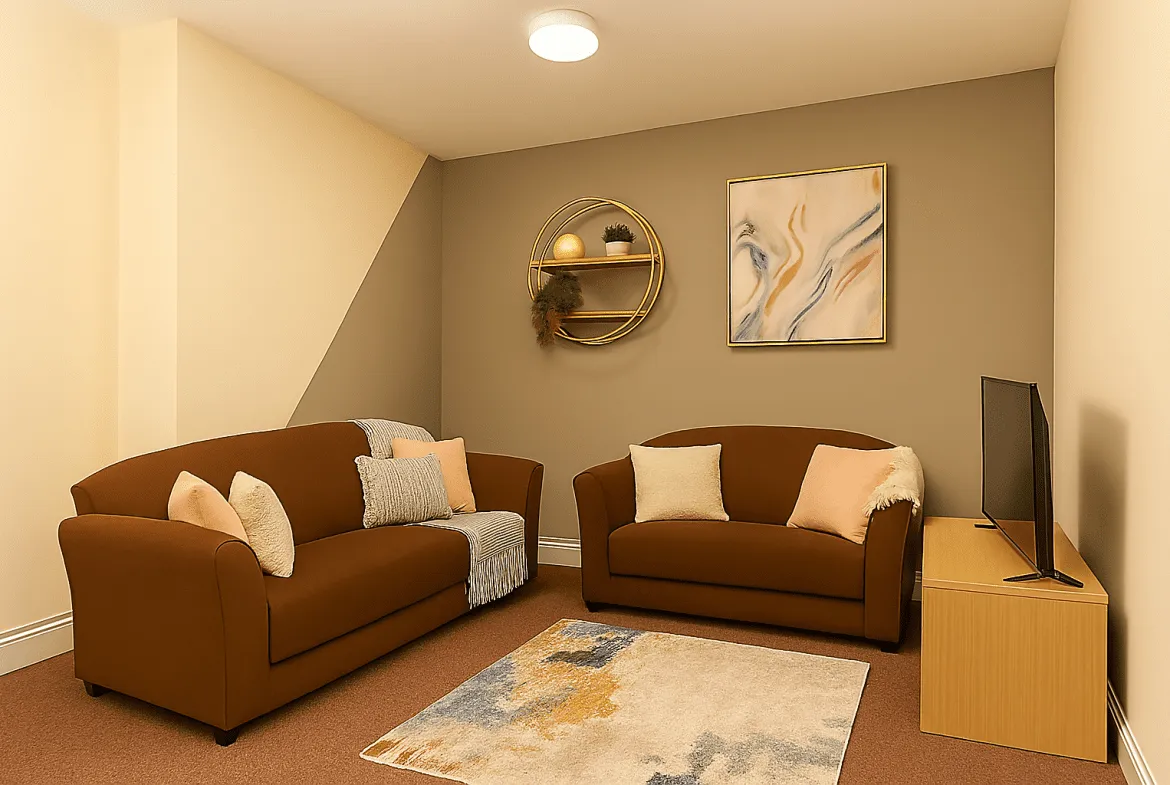
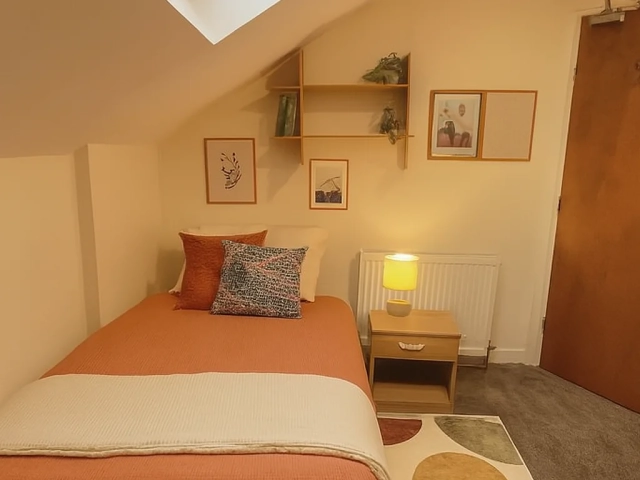
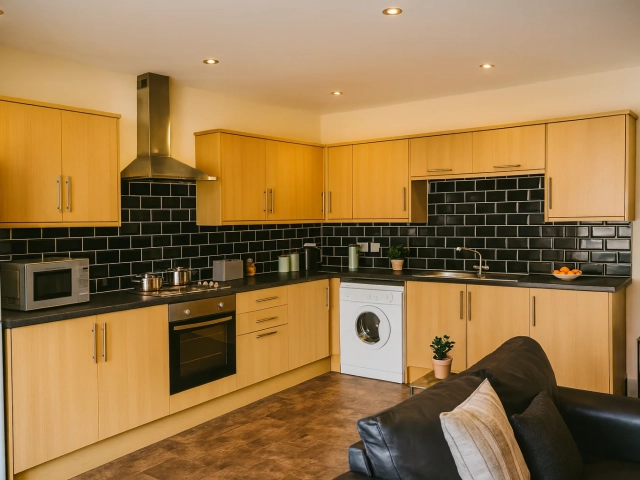
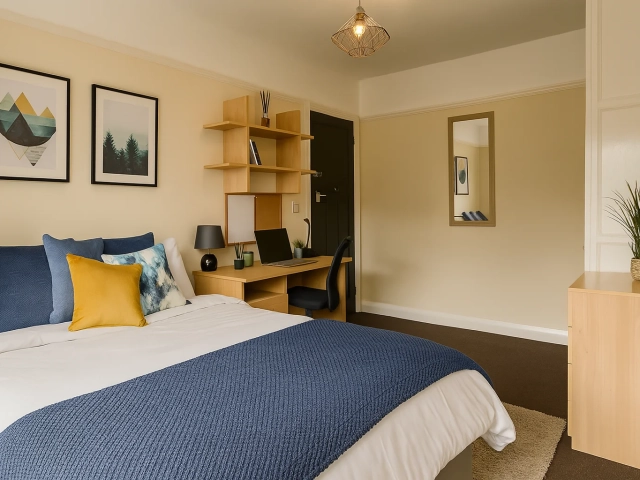
When you compare the houses themselves, the details matter more than the photographs: the balance of bedroom sizes, how many bathrooms there are, the size of the shared kitchen and living space, where you would actually sit and work, and how repairs are handled in term time. We walk the whole group through all of it on the viewing so everyone decides with the same facts, and we answer repair reports within 24 hours — our Google reviews are the evidence for that rather than our word for it.
Shared houses are usually let to a pre-formed group on a single joint tenancy. Deposits are protected through the Tenancy Deposit Scheme, the holding deposit is one week's rent and the security deposit is around one week's rent on most of our properties, and each tenant is normally asked for a guarantor — usually UK-based, though we will consider guarantors living outside the UK, so raise it early rather than late. Tenancies typically run 48 to 50 weeks with no separate summer retainer, and all of it is set out before anyone signs.
Ready to look? Send us your group size, the areas you are considering and the year you want to move in, and we will line up suitable houses and a group viewing — enquiry form, WhatsApp, phone on 01524 888 151, or email. If the group is not complete yet, say so in the same message: we let individual rooms as well as whole houses, and we would rather match you properly than send you everything on the books.
The best student house is the one that fits how your group actually lives. Compare bedroom balance, shared space, campus routine and how the tenancy works before anyone starts arguing about the decor.
| Group type | Best housing fit | Checks before viewing |
|---|---|---|
| Two of you | A two-bedroom home — a bedroom each without paying for rooms nobody uses. | Total weekly cost against two rooms in a share, and who the tenancy names. |
| Three or four friends | A smaller shared house or flat with manageable bills and shared rooms. | Bedroom sizes, one quiet place to work, and what the bills package covers. |
| Five students | A classic group house with enough communal space to avoid crowding. | Bathrooms, kitchen storage, tenancy length in weeks, and deposit protection. |
| Six or seven students | A larger HMO-licensed house with strong maintenance and clear house rules. | The HMO licence, fire safety, the repairs route, and bedroom balance. |
| No group yet | A single room in an established household, let room by room. | Who you would be living with, and whether the room has its own agreement. |
A good group viewing is structured. Agree the must-haves in advance and split the questions between you, so nobody ends up making the decision for everyone in the hallway.
Most Lancaster student houses are let to a pre-formed group on a single joint tenancy. That is the sentence students skim, and it is the one that matters most: the household shares responsibility for the rent and for the condition of the property. If one housemate does not pay, the others are liable. At checkout the deposit is assessed on the whole house, not room by room.
This is exactly why choosing reliable housemates matters as much as choosing the house, and why the honest ten-minute conversation before signing is worth having. It is also why groups should agree in advance how they would handle someone leaving mid-tenancy, rather than discovering the answer in February.
None of this is a reason to avoid a joint tenancy — it is how nearly all group housing works, here and everywhere else. It is a reason to read the agreement together, ask your questions in one message and get the answers in writing before six signatures go on one document.
| Element | What it means in practice | Ask before you sign |
|---|---|---|
| Joint tenancy | One contract for the whole group; you succeed or struggle together. | Is this joint, or individual room contracts? What happens if someone leaves? |
| Guarantors | Most student lets, including ours, ask each tenant for a guarantor — usually UK-based, though we will consider guarantors living outside the UK. | What exactly does the guarantor sign, and what are the options if someone has no UK guarantor? |
| Deposits | A holding deposit of one week's rent, and a security deposit of around one week's rent on most of our properties, protected in a government-approved scheme. We use the Tenancy Deposit Scheme. | Which scheme, when is the prescribed information issued, and what does the holding deposit count towards? |
| Tenancy length | Our tenancies typically run 48 to 50 weeks, with no separate summer retainer. | How many weeks exactly, what are the payment dates, and when do keys change hands? |
| Inventory | The record of condition at move-in that decides your checkout. | When is it issued, and how long does the house have to challenge it? |
| Council tax | Households of only full-time students can usually claim the exemption. | Does the household need to register it, or is it automatic? |
Every home we let is bills included, and in a shared house that is worth more than it sounds. Nobody has to open a gas account in their own name, nobody chases five other people for a share each month, and nobody absorbs the shortfall when somebody pays late. That one arrangement causes more friction in Lancaster student houses than anything else, and an inclusive rent removes it outright.
The package covers gas, electricity, water and high-speed fibre broadband, with TV licence support and free laundry access at the properties that provide them, all inside the weekly per-person figure. Some homes include a fair-use allowance, and the terms vary with the size and type of the property, so ask for yours in writing when you enquire rather than at signing.
The effect gets stronger as the household grows, because standing charges and a single broadband line split across more people: our nine-bedroom Gregson Road house and our ten-bedroom North Road house are both £135 per person per week, while the six-bedroom Queen Street house is £139 — bigger is not automatically dearer per head.
Do these in order and you avoid the two classic Lancaster traps: panic-signing in October, and drifting so late that the houses your group wanted have gone.
Before you sign, put the unglamorous things on paper between yourselves. It is not a legal document, just a shared understanding, and it prevents most house arguments before they start.
Our own shared houses sit on the city-centre streets and the residential streets just beyond them: Queen Street, King Street, Penny Street and North Road in the centre, Gregson Road towards Greaves and Bowerham, and Meadow Street in Fairfield.
City-centre streets suit groups who want transport and amenities close by, and put the bus station within a few minutes of the front door — which is what makes them work for Bailrigg as well as for the University of Cumbria. Moorlands and Greaves suit students who want a recognisable student-house feel a short walk from the centre, and Bowerham works well for University of Cumbria routines and quieter group living. We hold no stock in Bowerham or Greaves for 2026/27, so treat those two as orientation rather than a shortlist, and ask us for the current position if they matter to you.
Not everyone arrives with a ready-made group, and a room in an existing household is a legitimate route rather than a consolation prize. It suits students joining Lancaster mid-cycle, students whose group has shrunk, students arriving for a placement or a resit year, and anyone replacing a housemate who has dropped out.
We let individual rooms alongside whole houses. The current published listings include a room to rent on Queen Street at £125 per person per week and a spare room in the nine-bedroom Gregson Road house at £135 per person per week, both bills included. If you are considering joining a group of near-strangers, apply the housemate test harder than usual, ask to meet or video-call the household first, and agree the basics before you commit.
Choose a shared house on layout, bills clarity, landlord support and area fit, in that order. A slightly plainer house with balanced bedrooms, a written bills package and a local team that answers usually beats a photogenic one with awkward rooms and vague costs. When you have a shortlist, send us the group size and the year and we will get all of you through the door together.
Short answers to the checks students usually make around bills, deposits, viewings, campus routes, and support.
Our published rooms in shared houses run £125 to £139 per person per week for 2026/27, bills included. That figure already contains gas, electricity, water and fibre broadband, it is priced weekly and paid monthly, and the deposits sit alongside it: a holding deposit of one week's rent and a security deposit of around one week's rent on most of our properties.
Yes. Every home we let is bills included, covering gas, electricity, water and high-speed fibre broadband, with TV licence support and free laundry access where the property provides them. Some homes include a fair-use allowance whose terms vary with the size and type of the property, and we confirm the exact package for your house in writing before anyone signs.
One tenancy agreement signed by the whole group, sharing responsibility for the rent and the property. If one housemate does not pay, the others are liable, and the deposit is assessed on the whole house at checkout rather than room by room. It is how nearly all group housing works, so read it together rather than avoiding it.
Shared houses are often let to a pre-formed group, but individual rooms do become available depending on the property and the point in the cycle. Right now we have a room on Queen Street at £125 per person per week and a spare room at the Gregson Road house at £135, both listed individually and both bills included.
Tell us as soon as it happens. Before a joint tenancy is signed the group can often move to a smaller home or fill the room from our waiting list, which is far easier to resolve than the same problem after signing. Leaving it unsaid until the signing appointment is the only version of this that goes badly.
Four to six usually balances cost saving against manageable living, because the fixed costs split further without the household becoming hard to run. Larger groups need an HMO-licensed house and clearer house rules, which is a separate decision rather than simply more of the same — and our nine and ten-bedroom houses sit at the same £135 per person per week as much smaller ones.
Each tenant is normally asked for a guarantor and they are usually UK-based, but we will consider guarantors living outside the UK. If nobody in your family is in the UK, raise it in your first message rather than after the group has chosen a house — it is a solvable question when we know about it early.
It is the record of the property's condition and contents at move-in, and it is what a deposit dispute is judged against. Check it carefully on day one, photograph every room including existing marks, and email the photographs to yourselves so there is a timestamped record the whole house can point at in twelve months.
Report routine issues through a repair ticket with clear images if it is safe to take them, and call 01524 888 151 for anything urgent such as a major leak or unsafe electrics. A Lancaster-based team triages and arranges the fix, and we respond to repair reports within 24 hours — our Google reviews are the evidence for that.
Send the property, page, or question you are looking at and the team will help with availability, viewings, repairs, or next steps.
Pick a property, date and time — Bayt will confirm by email or WhatsApp.